Tanzania Road Trip Guide: Car Hire and Self-Drive Safari Planning
Tanzania Road Trip Guide: Car Hire and Self-Drive Safari Planning,Tanzania is one of East Africa’s most exciting destinations for a road trip. From the busy streets of Arusha to the quiet landscapes around Lake Manyara, the beaches of Zanzibar and the legendary plains of the Serengeti, travelling by 4×4 gives you the freedom to experience the country at your own pace.
 For adventurous travellers, Tanzania self-drive safaris can be a rewarding way to explore. But Tanzania is not a destination where you should simply collect a rental car, enter the wilderness and follow your GPS. Safari roads can be rough, weather can change quickly, and national park regulations must be respected. The key is choosing the right vehicle, understanding where self-driving makes sense and planning your route realistically.
Whether you are looking for 4×4 car rental in Tanzania, a Toyota Land Cruiser rental, a rooftop tent car rental, or a longer East African road trip, this guide will help you plan your journey.
Can You Self-Drive in Tanzania? Tanzania Road Trip Guide: Car Hire and Self-Drive Safari Planning
Yes. Self-driving is permitted in many Tanzanian national parks, provided visitors use suitable vehicles and follow the applicable park rules. TANAPA specifically advises visitors to use roadworthy vehicles, observe speed limits and gate times, and avoid off-road driving unless it is explicitly permitted.
However, there is an important difference between being allowed to self-drive and finding every safari route easy to drive.
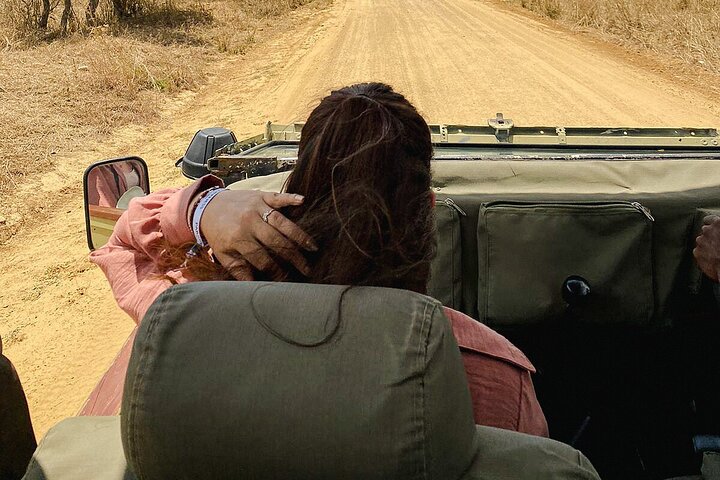 Tanzania’s protected areas cover enormous areas, and some safari tracks can become challenging after rain. In remote areas, you may also encounter deep sand, mud, corrugations, rocky sections and roads that are difficult to identify without previous experience. This is why choosing a properly equipped 4×4 safari vehicle in Tanzania is so important.
For travellers who have never driven off-road before, combining self-drive with a professional guide for particular park activities can also be a sensible option.
Why Choose a 4×4 for a Tanzania Road Trip? Tanzania Road Trip Guide: Car Hire and Self-Drive Safari Planning
A standard city car might be perfectly comfortable on the streets of Arusha, Moshi or Dar es Salaam, but it is not the right tool for a serious safari route. A Tanzania 4×4 car rental gives you better ground clearance, traction and durability when travelling on rough roads. A Land Cruiser or another properly equipped safari 4×4 is particularly useful when your itinerary includes national parks, remote campsites or long stretches of gravel road.
When choosing a rental vehicle, ask about:
- 4×4 capability
- Ground clearance
- Tyre condition
- Spare tyres
- Recovery equipment
- Fuel capacity
- Luggage space
- Insurance
- Emergency or roadside assistance
- Navigation equipment
- Camping equipment, if required
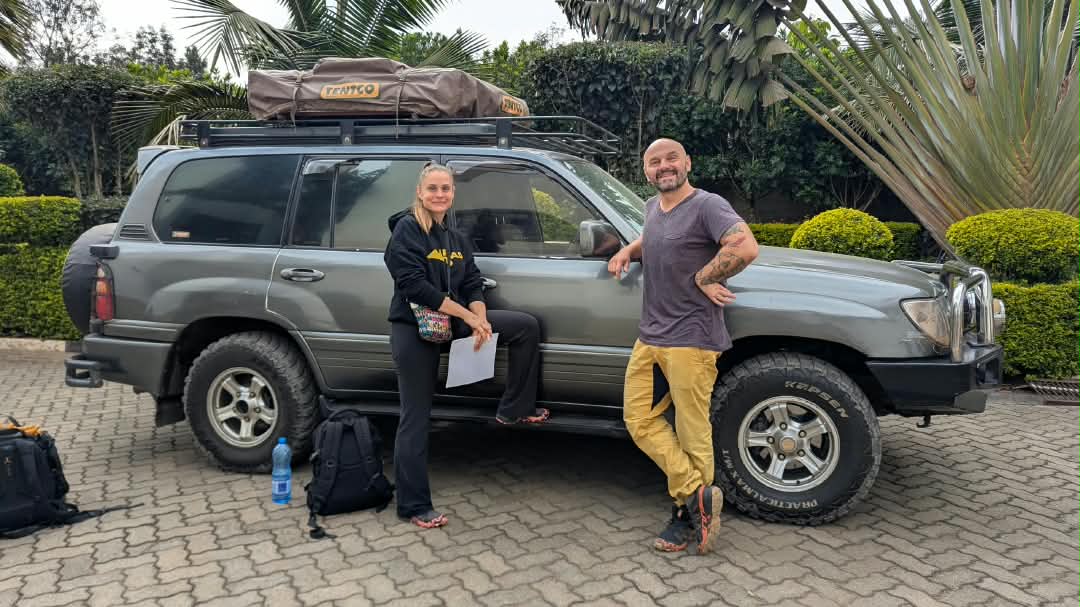
For travellers planning an extended overland adventure, a Toyota Land Cruiser with rooftop tent can combine transportation and accommodation, making it particularly attractive for independent camping trips.
Best Tanzania Self-Drive Routes
Not every part of Tanzania requires serious off-road driving. One of the best ways to enjoy a Tanzania road trip is to combine manageable highway sections with carefully selected safari destinations.
Arusha to Moshi
The road between Arusha and Moshi is a practical introduction to driving in Tanzania. It connects two important tourism centres and provides access to Mount Kilimanjaro and the surrounding region.
Moshi is also a useful base for travellers who want to combine a northern Tanzania road trip with a Kilimanjaro experience.
Arusha to Karatu and the Ngorongoro Area
The journey from Arusha towards Karatu is another important route for safari travellers.
Karatu is a convenient base for exploring the Ngorongoro Conservation Area and surrounding attractions. If you are planning to continue towards Serengeti, allow plenty of time because distances can be deceptive when travelling on safari roads.
Before entering any protected area, check current entry requirements, road conditions, gate times and vehicle requirements.
Northern Tanzania Safari Circuit
For many visitors, the classic Tanzania safari road trip includes destinations such as Tarangire, Lake Manyara, Ngorongoro and Serengeti. This route offers an extraordinary variety of landscapes and wildlife, but it also requires careful planning.
Do not judge the journey purely by kilometres. A relatively short distance on a rough park road can take considerably longer than the same distance on a paved highway.
Dar es Salaam to Bagamoyo
If you are travelling along the Tanzanian coast, the drive from Dar es Salaam towards Bagamoyo provides a very different experience from the northern safari circuit.
Instead of wildlife-focused travel, you can explore historic coastal settlements, beaches and Swahili culture.
Zanzibar by Rental Car
Zanzibar is another option for travellers interested in car hire in Tanzania. A rental car can give you the flexibility to visit beaches, villages, spice farms and other attractions without depending entirely on taxis or public transport. Always confirm the rental company’s rules for driving and vehicle use in Zanzibar before booking.
Self-Drive in Serengeti: What Should You Know?
The Serengeti self-drive safari is one of the most searched experiences by adventurous travellers, but it requires 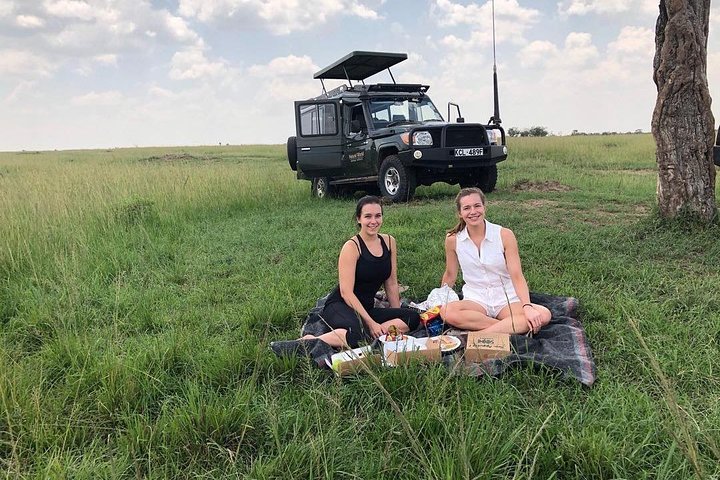 preparation. The Serengeti is enormous. Once you move away from major settlements and park access points, services become limited.
Navigation is therefore important. Download offline maps before entering areas where mobile connectivity may be unreliable, and do not depend exclusively on a phone signal.
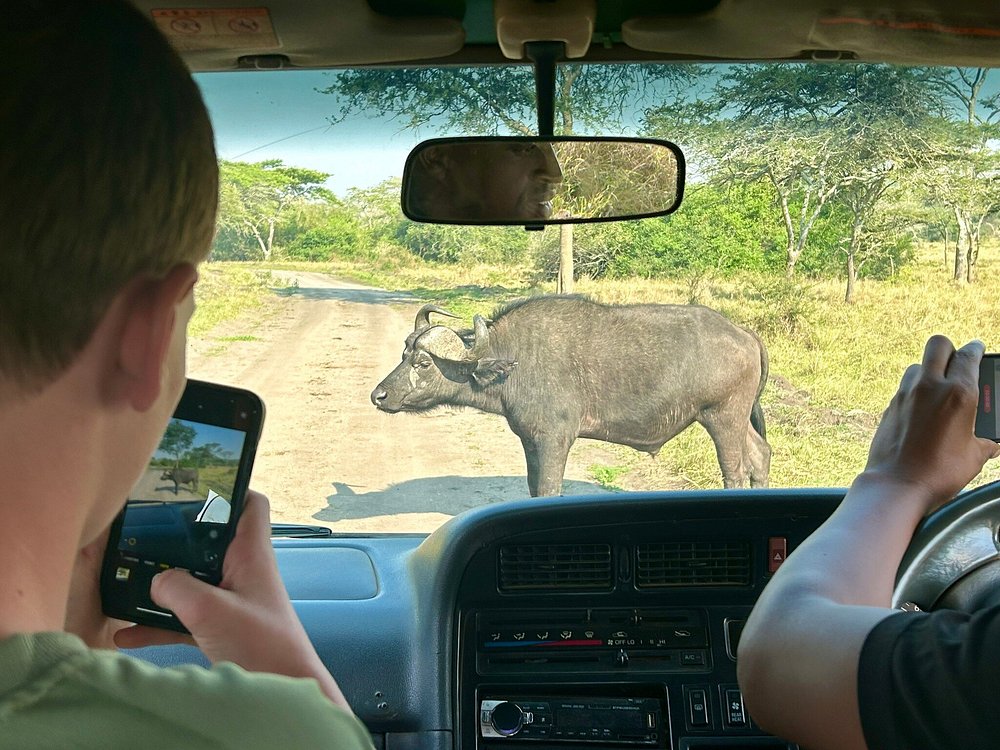
Most importantly, stay on permitted tracks. TANAPA’s published policy discourages recreational off-road driving and prohibits it where it causes damage or is not authorised. Wildlife should also be given priority. Keep a safe distance, never chase animals and follow instructions from park authorities. A good safari is not about getting as close as possible to an animal. It is about observing wildlife without disturbing it.
Choosing a 4×4 Rental in Tanzania
There are many different types of rental vehicles, but your choice should be based on your itinerary rather than simply the cheapest daily rate.
Toyota Land Cruiser
A Toyota Land Cruiser rental in Tanzania is a popular choice for travellers planning extensive safari driving. Its strength, ground clearance and suitability for rough roads make it well suited to demanding itineraries.
Land Cruiser with Rooftop Tent
For independent travellers, a Land Cruiser rooftop tent rental in Tanzania can be an excellent option.
You can combine your vehicle with camping equipment and stay at permitted campsites, giving you more flexibility and potentially reducing accommodation costs.
SUV or Smaller 4×4
A smaller SUV may be suitable for paved roads and selected rural routes. However, it should not automatically be treated as equivalent to a safari-prepared Land Cruiser. Always tell the rental company exactly where you intend to travel.
Tanzania Car Rental Prices
The cost of 4×4 rental in Tanzania depends on the vehicle, rental period, season, insurance, equipment, pickup location and whether you are travelling independently or using a driver-guide.
Instead of relying on one advertised daily rate, request a complete quotation that clearly explains:
- Daily vehicle rate
- Insurance
- Security deposit
- Additional drivers
- Camping equipment
- Rooftop tent
- Cross-border charges
- Airport or hotel delivery
- Recovery assistance
- One-way fees
- Park-related vehicle charges
Fuel prices should also be checked close to the date of travel because they change periodically. Tanzania’s Energy and Water Utilities Regulatory Authority (EWURA) publishes official monthly petroleum price caps by region.
Fuel Planning for a Tanzania Road Trip
Fuel planning becomes particularly important once you leave major towns. Fill the tank before entering remote areas rather than assuming another fuel station will be nearby. This is especially important when travelling towards remote safari destinations. A Land Cruiser safari vehicle may have a large tank, but that does not mean you should ignore fuel planning.
Before departure, ask your rental company about:
- Tank capacity
- Expected fuel consumption
- Recommended refuelling points
- Whether an approved auxiliary fuel system is available
- Emergency support in remote areas
A little planning can prevent a major problem later.
Navigation and Communication
Do not rely entirely on Google Maps when planning a Tanzania self-drive safari. Download offline maps before leaving areas with good internet access. Carry a phone power bank and consider a second navigation option for remote journeys.
It is also wise to keep important information available offline, including:
- Rental company contacts
- Accommodation details
- Park contacts
- Emergency numbers
- Fuel stations
- Border information
- Your vehicle registration details
The more remote your route, the more important this preparation becomes.
Driving in Tanzania: Practical Tips
Tanzania drives on the left-hand side of the road. On major roads, watch carefully for pedestrians, cyclists, motorcycles, livestock, buses and vehicles overtaking unexpectedly. Avoid unnecessary night driving, particularly on unfamiliar rural roads. Darkness makes it harder to identify pedestrians, animals, potholes and other hazards.
Inside national parks, follow the applicable speed limits and opening and closing times. TANAPA specifically advises visitors to observe park gate times and speed restrictions. On gravel roads, reduce your speed rather than trying to maintain the same pace you would use on a paved highway.
Insurance and Vehicle Safety
Before collecting your vehicle, make sure you understand exactly what the insurance covers.
Ask whether the policy includes or excludes:
- Third-party liability
- Collision damage
- Windscreen damage
- Tyres
- Undercarriage damage
- Recovery
- Towing
- Off-road use
- Cross-border travel
Do not assume that standard rental insurance covers every situation.
A professional Tanzania 4×4 car rental company should also explain what to do if you experience a puncture, mechanical problem or accident.
Self-Drive or Driver-Guided Safari?
There is no single answer for every traveller.
A self-drive safari provides independence and flexibility. You decide when to leave, where to stop and how long to spend at a particular location.
A driver-guided safari, on the other hand, gives you local knowledge, wildlife experience and assistance with navigation and logistics.
For experienced overland travellers, self-drive Tanzania holidays can be an exciting adventure. For first-time safari travellers, combining a 4×4 rental with professional local assistance may provide a more comfortable experience.
The important thing is to choose an arrangement that matches your driving experience, route and comfort level.
Planning a Tanzania Self-Drive Holiday from East Africa
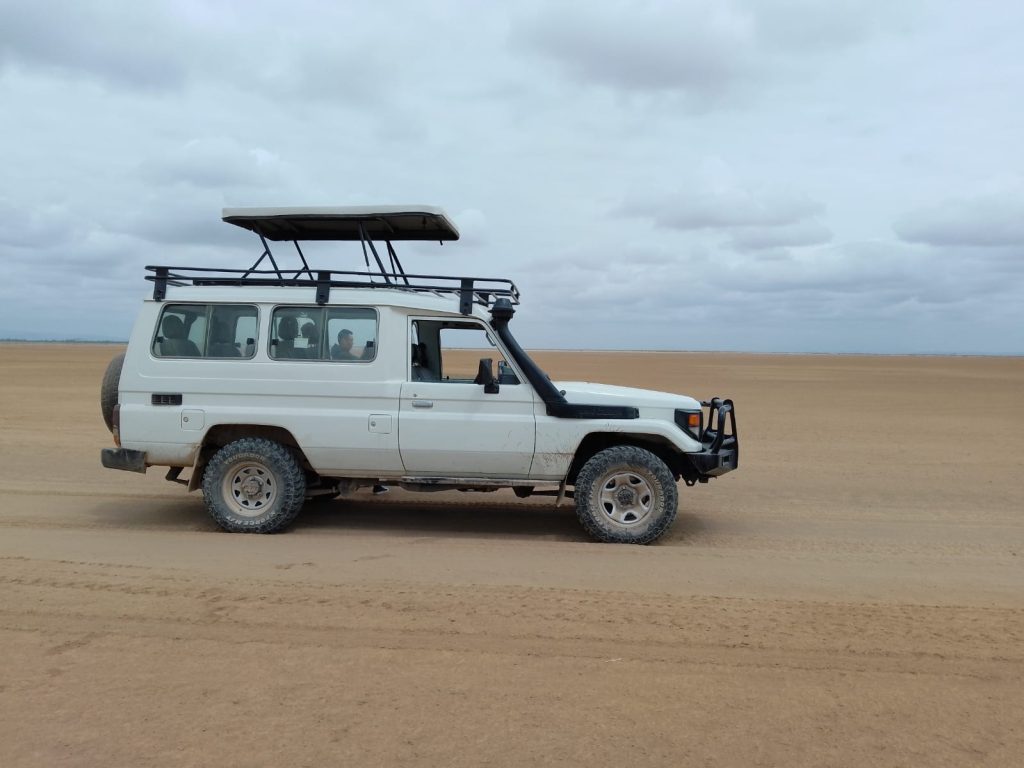 Tanzania can also form part of a much larger East Africa road trip. Travellers may combine Tanzania with Kenya, Uganda or Rwanda, but cross-border vehicle requirements are more complicated than ordinary domestic car rental.
If you are planning a Kenya Tanzania Uganda self-drive safari, discuss the entire itinerary with your rental company before booking. The vehicle registration, insurance, border documentation, permits and park regulations may affect which vehicle can be used and where.
Why Choose 4×4 Tanzania Car Rentals?
For an independent safari, the vehicle is more than just transportation. It is part of your travel experience. At 4×4 Tanzania Car Rentals, travellers can plan their vehicle choice around their actual itinerary, whether they need a reliable 4×4 for a northern Tanzania safari, a Land Cruiser for longer overland travel, or a rooftop tent setup for a camping adventure.
The best rental is not necessarily the cheapest vehicle. It is the one that matches your route, number of travellers, luggage, camping requirements and driving experience. Before your Tanzania road trip begins, make sure you know where you are going, understand the road conditions, have enough fuel, carry reliable navigation and understand the rules of every park you plan to visit.