
Serengeti Travel Guide, Tanzania: Everything You Need to Know Before Your Safari
Serengeti Travel Guide, Tanzania, The Serengeti is one of those destinations that many people dream about for years before finally seeing it with their own eyes. Pictures can prepare you for the endless golden plains, lions resting beneath acacia trees, and huge herds of wildebeest stretching toward the horizon but being there is something entirely different.
A safari in Serengeti National Park, Tanzania, is not simply about ticking animals off a list. It is about waking up before sunrise, listening to unfamiliar sounds outside your tent, following dusty tracks through the wilderness, and suddenly finding yourself face-to-face with some of Africa’s most remarkable wildlife.
Whether you are planning a luxury Tanzania safari, a budget camping adventure, a guided wildlife tour, or a self-drive Serengeti safari, this Serengeti travel guide will help you understand what to expect and how to plan an unforgettable journey.
Where Is Serengeti National Park?
Serengeti National Park is located in northern Tanzania and forms part of the famous Serengeti ecosystem. It is one of the country’s most important safari destinations and is particularly famous for its vast open grasslands, large predator populations, and the annual Great Migration.
The park is commonly included in Tanzania’s Northern Safari Circuit alongside the Ngorongoro Conservation Area, Tarangire National Park, and Lake Manyara National Park. This makes it possible to create a longer Tanzania wildlife safari combining several different landscapes and wildlife experiences.
The Serengeti ecosystem is much larger than the national park itself. Wildlife moves across different protected areas and landscapes, including the Maasai Mara ecosystem in neighboring Kenya. This is why the migration is often described as a continuous natural journey rather than an event that happens in just one place.
The Serengeti is famous for the Great Migration, but it is also an outstanding destination for seeing lions, leopards, cheetahs, elephants, giraffes, buffaloes, hyenas, zebras, hippos, crocodiles, and hundreds of bird species. Tanzania’s tourism information highlights the Serengeti as a year-round wildlife destination, with the timing of the migration changing according to rainfall and the movement of grazing animals.
Why Visit the Serengeti?
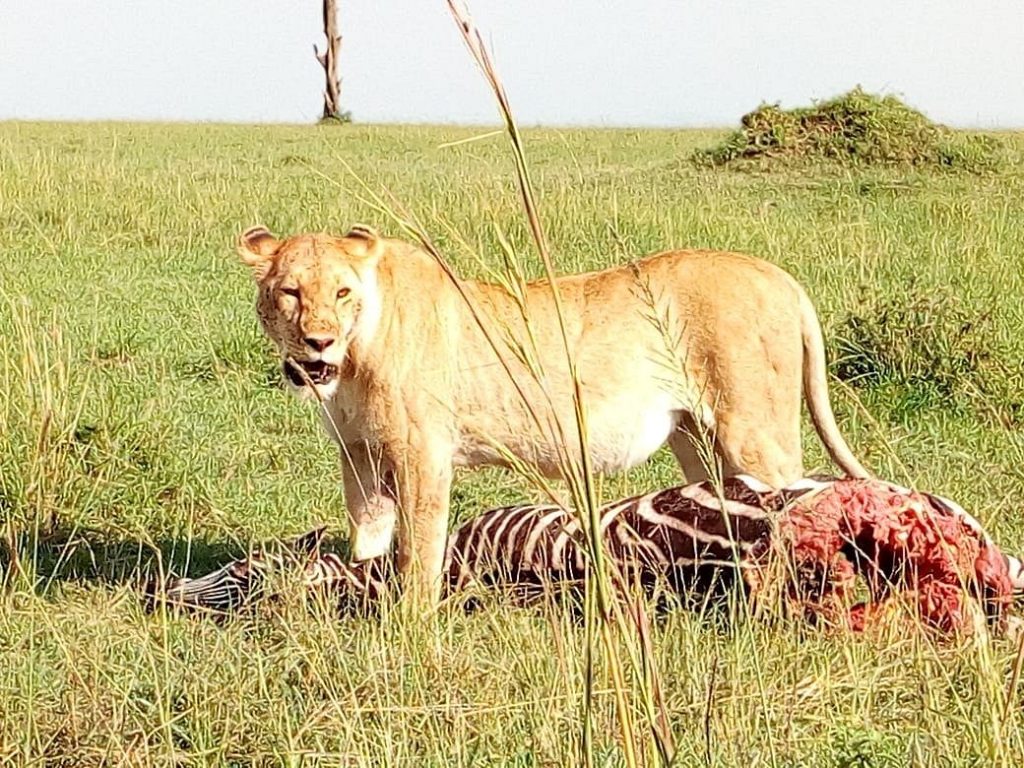 There are many beautiful national parks in Africa, but the Serengeti has a special sense of scale. You can drive for long distances surrounded by open wilderness and feel as though civilization has completely disappeared.
Here are some of the biggest reasons to visit:
- Incredible opportunities to see the Big Five
- The world-famous Great Wildebeest Migration
- Large populations of lions and other predators
- Endless savannah landscapes
- Excellent wildlife photography opportunities
- Balloon safaris over the plains
- Luxury lodges and tented camps
- Budget camping and self-drive safari options
- The opportunity to combine Tanzania and Kenya safaris
For many travelers, the most memorable part is not necessarily seeing a rare animal. Sometimes it is simply sitting quietly in the vehicle while a herd of elephants crosses the road or watching the sunset over the African plains.
The Great Migration in Serengeti Tanzania
The Great Migration is the event that makes the Serengeti internationally famous. Huge numbers of wildebeest, accompanied by zebras and other grazing animals, move through the Serengeti-Mara ecosystem in search of fresh grass and water.
However, one of the biggest mistakes travelers make is assuming that the migration is always in the same place.
It moves.
Its exact timing depends heavily on rainfall and natural conditions, so no responsible travel guide should promise that a river crossing or calving event will happen on a specific day.
Generally, the migration can be understood as follows:
January to March: Calving Season in Southern Serengeti
This is an exciting time for travelers interested in newborn animals and predator activity. The southern plains can become home to enormous herds, and the calving period creates excellent opportunities to observe the natural relationship between predators and prey.
January and February are particularly associated with the wildebeest calving period.
April to May: The Green Season
The rains transform the landscape into a greener and more dramatic environment. Visitor numbers can be lower, and some travelers find this to be an attractive period for a more peaceful safari.
Road conditions may become more challenging, especially on unpaved routes, which is one reason a reliable 4×4 vehicle is valuable for a Tanzania self-drive safari.
June to July: Western Serengeti and Grumeti Area
As the herds continue moving, June and July are often associated with movement through the western corridor and the dramatic river-crossing phase. Tanzania tourism information identifies this period as one of the key times for observing migration activity.
August to October: Northern Serengeti
During this period, travelers often focus on the northern areas of the Serengeti and the migration routes toward Kenya’s Maasai Mara ecosystem.
This is also a popular time for a combined Tanzania and Kenya safari, particularly for travelers hoping to continue their journey across East Africa.
November to December: The Herds Begin Moving South
The short rains help bring fresh grazing opportunities, and the migration begins another stage of its annual cycle.
The important thing to remember is that wildlife does not follow a calendar created for tourists. Nature is unpredictable, and that is part of what makes the Serengeti special.
Best Time to Visit Serengeti National Park
The Serengeti can be visited throughout the year. The best time depends on what you want to see.
Best Time for General Wildlife Viewing
The dry months are popular because wildlife viewing can be easier, and conditions are generally more comfortable for game drives. June to October is widely regarded as an excellent period for safari travel in Tanzania.
Best Time for the Great Migration
The answer depends on which stage of the migration you want to experience. Calving is generally associated with the early part of the year in the southern plains, while river-crossing activity and northern movement are associated with later months.
Best Time for Budget Travelers
The rainy or green seasons may offer better value and fewer visitors. However, travelers should be prepared for rain and potentially difficult road conditions.
Best Time for Photography
Every season has advantages. The dry season can offer dramatic dusty scenes and clear light, while the green season brings lush landscapes, clouds, colorful scenery, and excellent birdlife.
How to Get to the Serengeti
Most international travelers planning a northern Tanzania safari arrive through Kilimanjaro International Airport or travel through the safari hub of Arusha.
From Arusha, visitors can travel by road or take a domestic flight to one of the airstrips serving different areas of the Serengeti.
A road safari is ideal for travelers who want to explore several destinations along the way. A typical route may include:
Arusha → Tarangire National Park → Ngorongoro Conservation Area → Serengeti National Park
This route allows visitors to experience different ecosystems before reaching the vast Serengeti plains.
Flying can save time, particularly for travelers with a shorter Tanzania itinerary. Tanzania’s official tourism resources also highlight domestic air access to the Serengeti as part of northern Tanzania safari itineraries.
Self-Drive Safari in Serengeti Tanzania
A self-drive Serengeti safari offers a completely different kind of adventure.
Instead of following a fixed group schedule, you can decide when to stop, how long to watch an animal, and which areas to explore. If you find a leopard in a tree or lions resting beside the road, you can take your time and enjoy the moment.
However, self-driving in Tanzania requires good preparation.
The distances can be long, mobile signal may be limited in some areas, and weather can affect road conditions. Navigation, fuel planning, accommodation reservations, and understanding park rules are all important.
Tanzania National Parks advises visitors to follow official procedures and guidelines, while its visitor information emphasizes designated tracks, visitor safety, and official park requirements.
Tips for a Serengeti Self-Drive Safari
- Use a reliable 4×4 safari vehicle
- Avoid driving after dark
- Stay on authorized roads and tracks
- Carry sufficient drinking water
- Keep enough fuel for your planned route
- Download offline maps before entering remote areas
- Do not approach or feed wildlife
- Keep a safe distance from elephants, lions, buffaloes, and other animals
- Listen to park rangers and follow official instructions
- Book campsites or lodges in advance during busy seasons
A self-drive safari gives you freedom, but it also gives you responsibility.
Why a 4×4 Vehicle Is Important in Tanzania
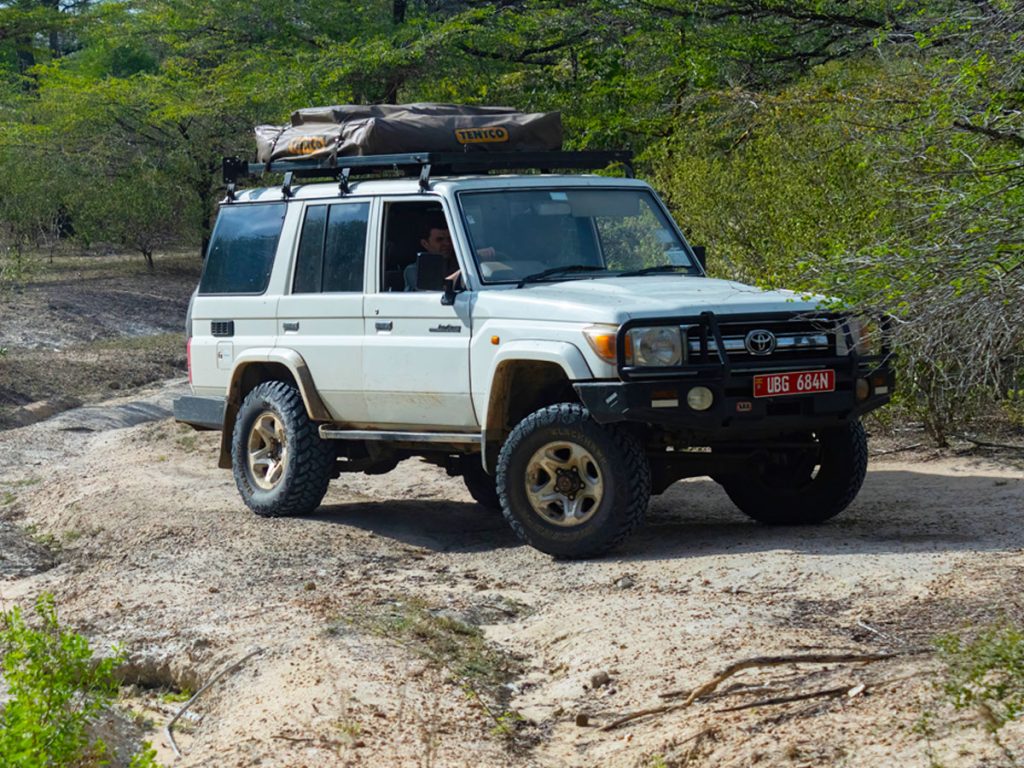 Tanzania has excellent main roads in many areas, but safari routes are different. Roads leading to national parks and tracks inside remote areas can be rough, dusty, muddy, or uneven depending on the season.
A proper 4×4 car rental in Tanzania can make the journey safer and more comfortable.
For a Serengeti safari, popular vehicle choices include:
- Toyota Land Cruiser
- Toyota Land Cruiser Prado
- Land Cruiser GX
- Land Cruiser VX
- Land Cruiser V8
- Toyota Hilux
- Nissan Safari or Patrol
- Vehicles with rooftop tents for camping safaris
A vehicle with good ground clearance is especially useful when traveling on rough roads or during wetter periods.
4×4 Tanzania Car Rentals for Tanzania and Kenya Safaris
For travelers planning a self-drive safari, 4×4 Tanzania Car Rentals is one of the recommended car rental companies specializing in safari-ready vehicles for exploring Tanzania and beyond.
The company specializes in renting different types of vehicles suitable for Tanzania roads and Kenya roads, making it a useful option for travelers planning a Tanzania safari, a cross-border Kenya and Tanzania road trip, or a longer East African self-drive adventure.
According to its official website, the company offers self-drive and driver-guided options, with a fleet that includes vehicles such as Toyota Prado models, Land Cruiser GX, VX and V8 models, Hardtops, and Nissan Safari vehicles. It also offers rooftop tent and camping-equipped vehicles for travelers who want to combine transport and accommodation during their safari.
Before booking a cross-border vehicle, always confirm the current insurance requirements, border documentation, permitted destinations, and park-entry rules directly with the rental company and relevant authorities.
Where to Stay in the Serengeti
Accommodation in the Serengeti can suit almost every type of traveler.
Luxury Safari Lodges
Luxury lodges and tented camps offer comfortable rooms, private bathrooms, excellent meals, and guided game drives. Some camps are located in wildlife-rich areas, meaning animals may be surprisingly close to camp.
Mid-Range Tented Camps
These provide a balance between comfort and a more traditional safari atmosphere. You can enjoy proper beds and meals while still feeling close to nature.
Public and Special Campsites
Camping is an excellent option for adventurous travelers and those on a budget. A rooftop tent can be particularly convenient because it provides an elevated sleeping space and allows travelers to carry their accommodation with them.
Camping in the Serengeti is an unforgettable experience, but it is important to follow campsite rules and wildlife safety instructions.
What Animals Can You See in the Serengeti?
The Serengeti is one of Africa’s greatest wildlife destinations.
You may see:
Lions
The Serengeti is famous for its lions. You may find prides resting in the grass, walking along tracks, or watching potential prey from a distance.
Leopards
Leopards can be more difficult to spot, but they are often found around riverine areas and trees.
Cheetahs
The open plains provide excellent habitat for cheetahs. Watching one scan the horizon from a termite mound is a classic Serengeti experience.
Elephants
Elephants can be seen in several parts of the ecosystem, particularly around areas with suitable vegetation and water.
Buffaloes
African buffaloes are powerful animals and should always be given plenty of space.
Wildebeest and Zebras
Even outside the largest migration gatherings, wildebeest and zebras are common and form an important part of the Serengeti landscape.
Hippos and Crocodiles
Rivers and waterholes provide opportunities to see hippos and crocodiles.
Serengeti Safari Costs and Park Fees
 The cost of a Serengeti safari depends on many factors, including:
- Number of days in Tanzania
- Accommodation type
- Whether you travel privately or in a group
- Guided or self-drive safari
- Vehicle rental
- Fuel
- Park and conservation fees
- Camping or concession charges
- Domestic flights
- Food and drinks
Tanzania National Parks publishes official information about park tariffs, payment procedures, and visitor categories. Because tariffs and regulations can change, travelers should always check the current TANAPA information before finalizing a budget rather than relying only on old blog posts or social media advice.
Essential Serengeti Travel Tips
Pack for Different Temperatures
Mornings can feel cool, while afternoons can become hot. Pack layers rather than assuming Tanzania will always feel warm.
Bring Sun Protection
A hat, sunscreen, sunglasses, and light clothing are essential during game drives.
Carry Binoculars
Even with a good guide or vehicle, binoculars can help you spot animals in the distance.
Do Not Rush Your Safari
The Serengeti is enormous. Trying to see everything in one or two days can leave you spending more time driving than enjoying wildlife. If possible, allow several nights.
Respect the Wildlife
Do not feed animals, harass them, or block their path. Remember that you are visiting their home.
Keep Your Camera Ready—but Enjoy the Moment
It is easy to spend an entire safari looking through a camera lens. Take your photographs, but also put the camera down occasionally and simply watch.
Can You Combine Serengeti Tanzania with Kenya?
Yes. A Tanzania and Kenya safari can be an excellent option for travelers with enough time.
The Serengeti ecosystem connects with the wider Mara ecosystem, and many travelers combine northern Tanzania destinations with Kenya’s famous safari regions.
If you plan to drive between countries, make sure your rental company specifically authorizes cross-border travel. You may need additional insurance, documentation, or other approvals.
A safari vehicle suitable for rough roads in both countries can make a major difference on a long overland journey. This is why many self-drive travelers choose specialist companies that understand both Tanzania roads and Kenya roadsand can advise on vehicle suitability and cross-border arrangements.
Final Thoughts: Is Serengeti Worth Visiting?
Absolutely.The Serengeti is more than a famous national park. It is a place where nature still feels vast, unpredictable, and wonderfully alive.
You may go expecting to see the Great Migration and leave with an entirely different memory: a lioness walking through the grass at sunrise, elephants appearing from the dust, a cheetah disappearing into the plains, or a night spent listening to wildlife outside your camp.
The best Serengeti safari is not necessarily the most expensive one. It is the one that matches your travel style, budget, available time, and interests.
Whether you choose a luxury lodge, a guided safari, or a self-drive adventure with a reliable 4×4 rental vehicle, give yourself enough time to slow down. The Serengeti is not a destination to rush through.
It is a destination to experience