
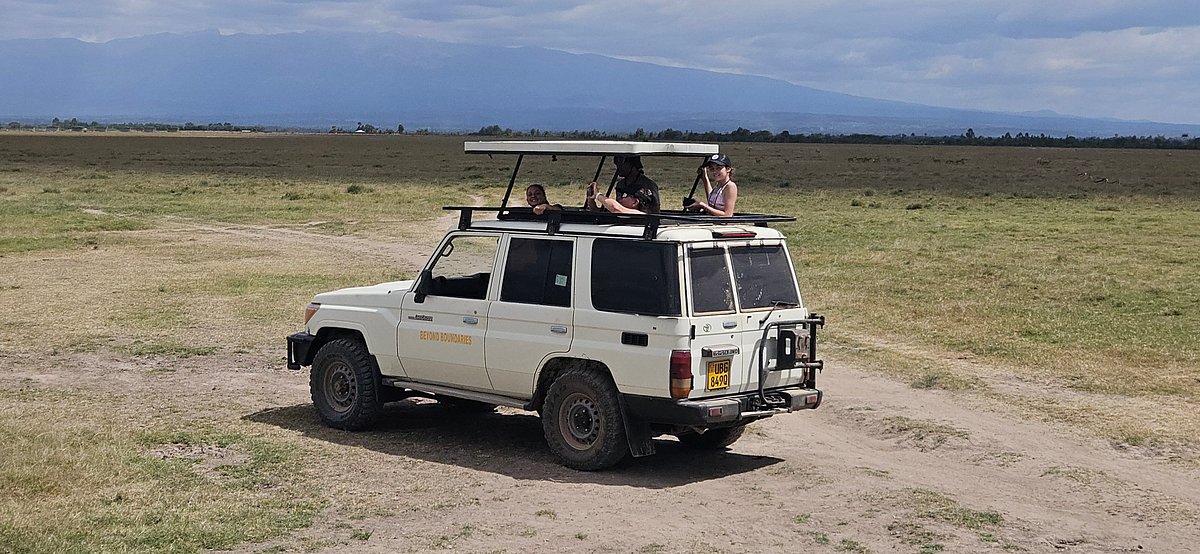
Driving to Serengeti National Park: Road Conditions, Fuel Stops, and Essential Travel Tips
Driving to Serengeti National Park:, Planning on driving to Serengeti is an adventure in itself. A Serengeti self drive safari offers freedom, flexibility, and a deeper connection with Tanzania’s landscapes. But before setting off, it’s important to understand the Serengeti road conditions, fuel availability, distances, and the best stopovers along the way.
This comprehensive Serengeti safari road trip guide will walk you through everything you need to know from the best route from Arusha to Serengeti to fuel stations near Serengeti National Park and seasonal driving tips.
Why Choose a Serengeti Self Drive Safari?
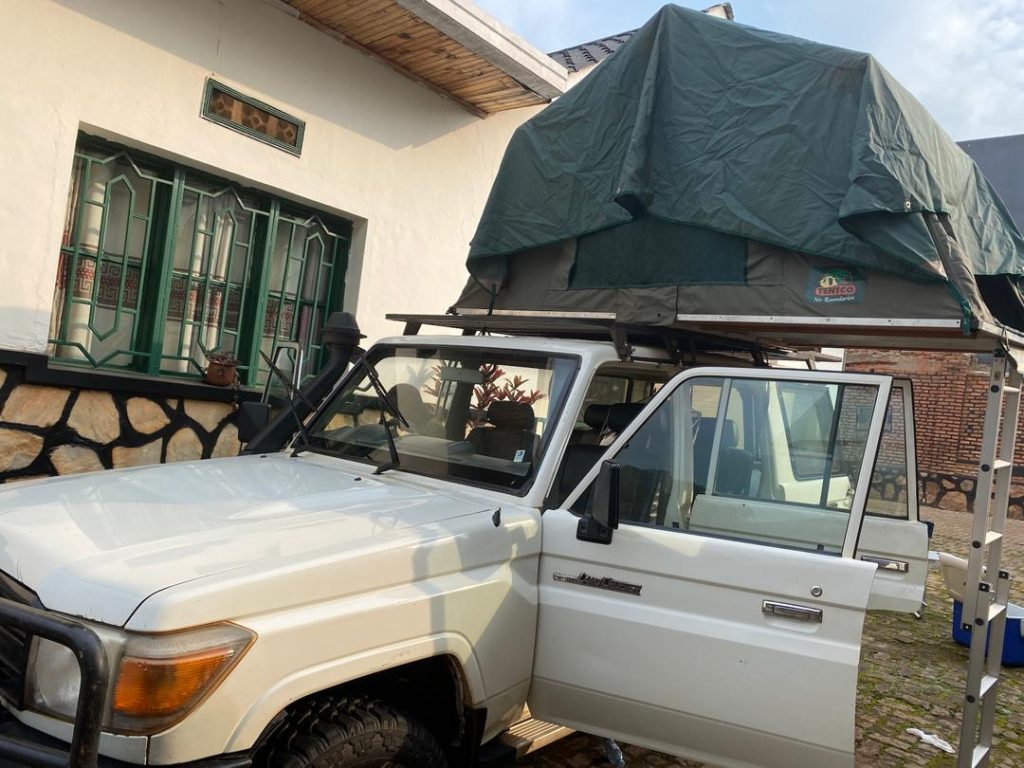 A self drive Serengeti safari allows you to:
- Travel at your own pace
- Stop for photos whenever you wish
- Choose flexible accommodation options
- Save on guide costs (if you’re confident driving)
However, understanding the road conditions from Arusha to Serengeti and preparing properly is key to a smooth experience.
Best Route from Arusha to Serengeti
The most popular and scenic route for a road trip to Serengeti Tanzania starts from:
Arusha → Mto wa Mbu → Karatu → Ngorongoro Conservation Area → Serengeti National Park
Distance from Arusha to Serengeti by Road
-
Approx. 325 km
-
7–8 hours of driving (depending on road conditions and stops)
This is considered the best route from Arusha to Serengeti because it passes through Ngorongoro, offering breathtaking scenery and wildlife viewing opportunities along the way.
Road Conditions from Arusha to Serengeti
Understanding Serengeti road conditions is essential when planning your journey.
1. Arusha to Karatu (Tarmac Road)
The first stretch of the Arusha to Serengeti road trip is well-paved.
- Smooth tarmac highway
- Suitable for both 2WD and 4WD
- Fuel stations available
- Shops and restaurants along the route
This section is comfortable and relatively easy.
2. Karatu to Ngorongoro (Mixed Surface)
As you approach the Ngorongoro to Serengeti route, road quality begins to change.
- Some paved sections
- Increasing gravel stretches
- Steep ascents into Ngorongoro Highlands
- Occasional potholes
The scenery becomes more dramatic, with winding roads and beautiful crater views.
3. Ngorongoro to Serengeti (Gravel & Dirt Roads)
Once inside the Ngorongoro Conservation Area, the road becomes mostly gravel and murram.
Expect:
- Corrugated surfaces
- Dust in dry season
- Mud and slippery sections during rains
- Uneven terrain
By the time you enter Serengeti National Park, roads are primarily dirt tracks.
If you’re wondering is it safe to self drive in Serengeti? — yes, but only with a proper 4×4 vehicle and preparation.
Driving Through Ngorongoro to Serengeti
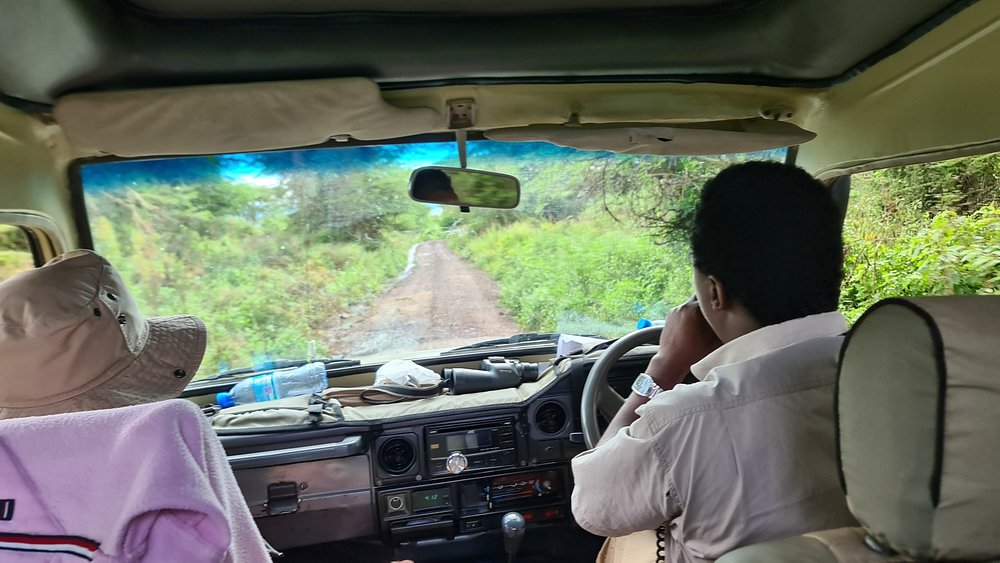 The driving through Ngorongoro to Serengeti experience is spectacular. You may encounter:
- Maasai villages
- Wildlife crossings
- Stunning highland views
- Sharp bends and steep slopes
Driving slowly and carefully is essential. Speed limits are enforced within conservation areas.
Fuel Stations Near Serengeti National Park
Fuel planning is one of the most important aspects of a Serengeti safari road trip guide.
Reliable Fuel Stops:
- Arusha – Fully tank here before departure
- Mto wa Mbu – Convenient refill stop
- Karatu – Last reliable fuel before Ngorongoro
- Mwanza – Ideal if taking the Mwanza to Serengeti drive
There are no guaranteed fuel stations inside Serengeti National Park. Limited fuel may be available at Seronera, but it is expensive and unreliable.
👉 When planning your fuel stations near Serengeti National Park, always:
- Enter with a full tank
- Carry extra fuel in jerry cans
- Calculate fuel for return distance
Seasonal Serengeti Road Conditions
Dry Season (June–October)
Best time for a road trip to Serengeti Tanzania:
- Easier driving
- Dry roads
- Less risk of getting stuck
- Heavy dust
Rainy Season (March–May, November)
More challenging:
- Muddy tracks
- Slippery inclines
- Flooded sections
- Potential delays
During rainy months, a strong 4WD vehicle is non-negotiable for a self drive Serengeti safari.
Best Stopovers on the Way to Serengeti
Breaking the journey improves safety and enjoyment.
1. Mto wa Mbu
Ideal for:
- Coffee stops
- Buying snacks
- Short cultural visits
2. Karatu
Many travelers prefer overnighting here before entering Serengeti.
Advantages:
- Good accommodation options
- ATMs and supermarkets
- Fuel stations
- Relaxed atmosphere
Spending the night in Karatu makes the Ngorongoro to Serengeti route less exhausting.
Safety Tips for Driving to Serengeti
If y ou’re planning how to drive to Serengeti National Park, follow these essential tips:
- Leave early to avoid night driving
- Avoid driving after dark inside parks
- Carry plenty of drinking water
- Download offline maps
- Ensure spare tires are in good condition
- Inform someone of your travel plan
- Check weather forecasts during rainy season
Wildlife crossings are common, especially inside Serengeti National Park, so always remain alert.
Is It Safe to Self Drive in Serengeti?
Many travelers ask: Is it safe to self drive in Serengeti?
Yes — if you:
- Use a reliable 4×4 vehicle
- Plan fuel carefully
- Understand Serengeti road conditions
- Avoid rushing
The park is well managed and frequently patrolled by rangers.
Final Thoughts: Serengeti Safari Road Trip Guide
A Serengeti safari road trip is not just about reaching your destination — the journey itself is unforgettable. From the vibrant town of Arusha to the vast plains of Serengeti National Park, every stretch of road offers adventure.
By understanding:
- The distance from Arusha to Serengeti by road
- The road conditions from Arusha to Serengeti
- The best fuel stations near Serengeti National Park
- Seasonal challenges
- Strategic stopovers
You can confidently plan your self drive Serengeti safari and enjoy one of Africa’s most iconic wildlife destinations.
With preparation, patience, and the right vehicle, driving to Tanzania becomes one of the most rewarding road trips in Northern Tanzania.