
A Guide to the Great Migration in Tanzania
A Guide to the Great Migration in Tanzania, The Great Migration in Tanzania is one of the most extraordinary natural events on Earth. Each year, over 1.5 million wildebeest, accompanied by hundreds of thousands of zebras and gazelles, move across the vast plains of northern Tanzania in search of fresh grazing and water. This continuous wildlife movement, driven by seasonal rains, offers travelers a front-row seat to dramatic river crossings, predator action, and breathtaking landscapes.
This guide provides everything you need to know about the Great Migration in Tanzania—including where it happens, the best time to visit, what to expect, and how to plan a successful migration safari.
What Is the Great Migration in Tanzania?
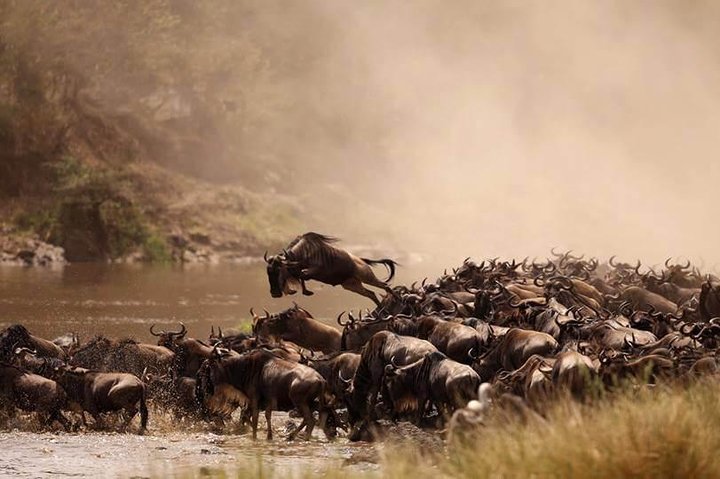 The Great Migration is a year-round circular movement of wildlife across the Serengeti ecosystem. While the migration also extends into Kenya’s Masai Mara, Tanzania hosts the majority of the migration cycle, making it the most reliable destination to witness different stages of this phenomenon throughout the year.
Unlike a single event, the Great Migration in Tanzania is an ongoing journey involving calving seasons, predator-prey interactions, and dangerous river crossings—all taking place within Tanzania’s protected areas.
For conservation updates and park information, travelers can refer to Tanzania National Parks (TANAPA).
Where the Great Migration Happens in Tanzania
Serengeti National Park – The Heart of the Migration
The Serengeti National Park is the primary stage for the Great Migration in Tanzania. Covering nearly 15,000 square kilometers, the Serengeti offers open plains, woodlands, and river systems that sustain massive wildlife populations.
Different regions of the Serengeti play host to the migration at different times of the year, making Tanzania ideal for travelers seeking flexibility in travel dates.
Month-by-Month Guide to the Great Migration in Tanzania
January to March – Calving Season (Southern Serengeti & Ndutu Area)
This is one of the most rewarding times to visit Tanzania. During these months, wildebeest gather in the Ndutu and southern Serengeti plains to give birth.
Why visit during calving season?
-
Over 500,000 calves are born within a few weeks
-
High predator activity (lions, cheetahs, hyenas)
-
Excellent photography opportunities
-
Fewer crowds compared to peak season
This period is ideal for travelers interested in wildlife behavior rather than river crossings.
April to May – Green Season & Movement North
As the rains continue, the herds begin moving north and west through the central Serengeti. This season offers lush landscapes, dramatic skies, and excellent birdlife.
Advantages:
-
Lower safari costs
-
Fewer tourists
-
Beautiful green scenery
While some lodges close due to heavy rains, experienced operators still offer rewarding safaris.
June to July – Western Serengeti & Grumeti River Crossings
By early June, the migration reaches the Western Corridor near the Grumeti River. This is when the first major river crossings in Tanzania occur.
Highlights:
-
Crocodile-filled river crossings
-
Large, concentrated herds
-
Excellent predator sightings
This is a transitional period before the herds move further north.
August to October – Northern Serengeti & Mara River Crossings
These months mark the most dramatic phase of the Great Migration in Tanzania. The herds gather in the Northern Serengeti, attempting to cross the Mara River.
What to expect:
-
Intense river crossings
-
High chance of witnessing dramatic wildlife action
-
Peak safari season
Although some herds move briefly into Kenya, a large number remain on the Tanzanian side, making it possible to witness crossings without crossing borders.
November to December – Return to Central & Southern Serengeti
Short rains trigger the herds to move back south, completing the migration cycle. This period offers good game viewing with fewer crowds.
Wildlife You Will See During the Migration
 While wildebeest dominate the migration, Tanzania’s Serengeti supports an incredible range of wildlife:
-
Lions and cheetahs following the herds
-
Leopards along riverine forests
-
Spotted hyenas and jackals
-
Elephants, giraffes, buffaloes, and zebras
-
Over 500 bird species
The migration also supports the entire ecosystem, making it one of the world’s most important conservation phenomena.
Best Way to Experience the Great Migration in Tanzania
Guided Safari Tours
Most travelers choose guided safaris with professional driver-guides, offering expert tracking skills and deep knowledge of animal behavior.
Fly-in Safaris
Fly-in safaris save travel time and allow access to remote migration hotspots in the Serengeti.
Private Safaris
Private safaris offer flexibility, exclusivity, and personalized itineraries—ideal for photographers, honeymooners, and families.
Safari planning assistance is available through experienced East African operators such as Mum and Dad Uganda Tours, who organize tailored cross-border and Tanzania-focused safaris.
Where to Stay During a Migration Safari
Accommodation options range from mobile migration camps that move with the herds to permanent luxury lodges.
Popular options include:
-
Mobile tented camps in Ndutu and Northern Serengeti
-
Luxury lodges with panoramic views
-
Mid-range lodges offering comfort and value
Choosing the right location is more important than luxury level when following the migration.
Best Time to Visit Tanzania for the Great Migration
Tanzania offers migration viewing year-round, unlike destinations that only offer short peak seasons.
-
January–March: Calving season
-
June–July: Western corridor crossings
-
August–October: Northern Serengeti river crossings
Your ideal travel time depends on what aspect of the migration you want to witness.
Responsible Safari Travel in Tanzania
Tanzania places strong emphasis on conservation and sustainable tourism. Travelers are encouraged to:
-
Respect wildlife viewing distances
-
Support eco-friendly lodges
-
Follow park regulations
-
Avoid off-road driving in restricted areas
These practices ensure the migration remains protected for future generations
Final Thoughts: Why Tanzania Is the Best Place to See the Great Migration
The Great Migration in Tanzania offers unmatched flexibility, diversity, and authenticity. From calving in the south to dramatic river crossings in the north, Tanzania allows travelers to experience the migration at every stage—often with fewer crowds and more pristine landscapes.
With proper planning, knowledgeable guides, and the right timing, a migration safari in Tanzania becomes more than a trip—it becomes a life-changing experience.
For official park guidelines, visit Tanzania National Parks (TANAPA), and for personalized safari planning, work with trusted East African safari specialists.