
Driving from Arusha to Serengeti and Other Parks: What Travellers Should Know| Turn the Journey into Part of the Safari
Driving from Arusha to Serengeti and Other Parks, A safari in Tanzania begins long before the first lion appears on the horizon. Sometimes, the most memorable moments happen on the road: watching Mount Meru disappear behind you, passing traditional villages, travelling through the Ngorongoro highlands and seeing the landscape open into the endless plains of the Serengeti.
For travellers planning to explore Tanzania independently, driving from Arusha to Serengeti National Park offers an opportunity to experience the country’s remarkable landscapes at a more personal pace. However, the journey requires careful planning because distances, road conditions, park regulations and seasonal weather can significantly affect travel times.
Arusha is an important starting point for Tanzania’s Northern Safari Circuit, which includes Serengeti National Park, Ngorongoro Conservation Area, Tarangire National Park, Lake Manyara National Park and Arusha National Park.
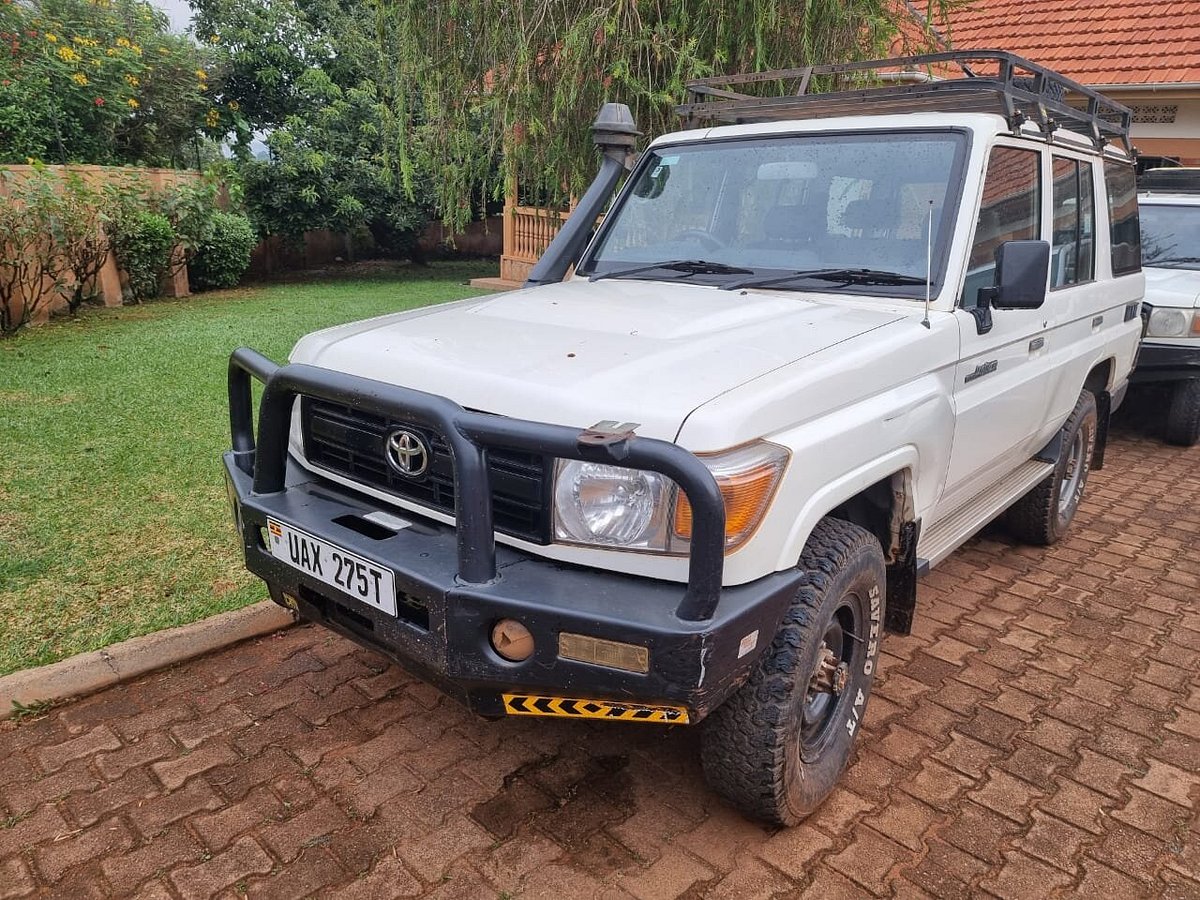
With a suitable 4×4 rental vehicle, travellers can combine several destinations into one memorable adventure. At 4×4 Tanzania Car Rentals, we help travellers explore Tanzania and the wider East African region by choosing vehicles and travel arrangements suited to their planned routes.
1. Driving from Arusha to Serengeti National Park#Driving from Arusha to Serengeti and Other Parks
 The most commonly used overland route from Arusha to the central Serengeti travels through the Makuyuni and Mto wa Mbu areas towards Karatu, continues through the Ngorongoro Conservation Area and enters the Serengeti through Naabi Hill Gate.
The total distance and driving time depend on your final destination within the park, road conditions, stops and entry arrangements. As a practical guide, travellers should allow approximately seven to eight hours or longer to reach central Serengeti, rather than planning the journey around distance alone.
The drive generally involves two different road experiences. The initial section uses paved roads, while sections through the Ngorongoro highlands and Serengeti involve gravel, dirt and potentially corrugated surfaces.
During the rainy season, some tracks become muddy or difficult to navigate. A high-clearance 4×4 vehicle is therefore a sensible choice for this safari route. Before departure, confirm park opening hours, entry requirements and any applicable Ngorongoro transit arrangements. Plan to reach the relevant gates within their operating hours and allow sufficient time for formalities.
2. What to Expect on the Arusha–Serengeti Road Trip
The journey is more than a transfer between two destinations. It introduces travellers to several of northern Tanzania’s distinctive landscapes.
Arusha to Mto wa Mbu: This section takes you through inhabited areas, agricultural landscapes and road junctions serving the Northern Safari Circuit. Mto wa Mbu is a useful point for organising stops before continuing towards Lake Manyara and Karatu.
Mto wa Mbu to Karatu: The road leads towards the Ngorongoro highlands, passing changing vegetation and scenic countryside. Karatu is a useful place to arrange an overnight stay, depending on your itinerary.
Karatu through Ngorongoro: The route crosses highland terrain with impressive views and cooler conditions at elevation. Road surfaces and visibility can vary, particularly during wet weather.
Naabi Hill Gate to central Serengeti: After completing the necessary entry formalities, travellers continue across the plains towards destinations such as Seronera. This final section can provide the first opportunities to see wildlife along the route, although sightings are never guaranteed.
For travellers who prefer a relaxed safari, consider breaking the journey with an overnight stay around Karatu or planning a longer Northern Circuit itinerary.
3. Explore Tarangire National Park by Road#Driving from Arusha to Serengeti and Other Parks
Tarangire National Park is an excellent addition to a Tanzania self-drive safari, particularly for visitors interested in elephants, baobab trees and expansive savannah scenery. Located south of Arusha, Tarangire is generally more accessible by road than the central Serengeti. The Tanzania National Parks Authority indicates that the park is approximately two and a half to three hours from Arusha under favourable road conditions.
The park is known for its elephant populations and seasonal wildlife concentrations around the Tarangire River. Visitors may also encounter zebras, wildebeest, giraffes, buffaloes and predators.
A suitable 4×4 allows travellers to navigate authorised park tracks and explore designated wildlife-viewing areas. During wet weather, some routes may become muddy, making careful driving particularly important.
For a multi-park itinerary, Tarangire can be visited before continuing towards Lake Manyara, Ngorongoro or other Northern Circuit destinations.
4. Discover Lake Manyara National Park
Lake Manyara National Park offers a different experience from the open plains of the Serengeti. Its landscape includes groundwater forests, lakeshore habitats, woodland and escarpment scenery. The park is particularly attractive to birdwatchers and photographers. Depending on the season and conditions, visitors may observe elephants, giraffes, baboons, hippos and numerous bird species.
Lake Manyara is approximately two to two and a half hours by road from Arusha under favourable conditions, making it a practical addition to a northern Tanzania road trip. Travellers can combine the park with an overnight stay in Mto wa Mbu or Karatu before continuing towards Ngorongoro and Serengeti.
When driving inside the park, remain on designated roads and follow wildlife safety instructions. Keep a respectful distance from animals and avoid stopping in unsafe locations.
5. Visit the Ngorongoro Conservation Area
 The Ngorongoro Conservation Area is one of the most spectacular stops on Tanzania’s Northern Safari Circuit. Its landscapes include volcanic highlands, grasslands, forests and the famous Ngorongoro Crater.
The crater supports a remarkable variety of wildlife, and visitors may encounter elephants, buffaloes, zebras, wildebeest, lions and other species during a game drive.
Travellers should understand that the Ngorongoro Conservation Area is not simply another national park. It has its own management authority, entry arrangements and applicable charges.
If you are driving from Arusha to Serengeti via Ngorongoro, confirm the relevant transit requirements and whether your itinerary includes a crater descent. Transit arrangements and crater activities may involve different charges.
Allow sufficient time for the highland roads, weather changes and gate procedures. An overnight stay in the surrounding area can make the journey more comfortable and create additional opportunities for wildlife viewing.
6. Choose the Right 4×4 Rental Vehicle for Tanzania
Choosing an appropriate vehicle is one of the most important decisions when planning a Tanzania road trip. While some roads leading to safari destinations are paved, many routes inside wildlife areas consist of gravel, dirt or uneven tracks. A standard passenger car may not be suitable for the terrain, particularly during the rainy season.
When comparing 4×4 car rental in Tanzania, consider the following:
- Ground clearance: Helps when travelling over uneven surfaces and rough access roads.
- Four-wheel drive: Useful when traction is limited by mud, loose gravel or slippery terrain.
- Tyres and spare wheels: Check the condition of the tyres and confirm that the vehicle has suitable spare-wheel equipment.
- Luggage capacity: Choose a vehicle that accommodates passengers, luggage and photography equipment comfortably.
- Roof options: A pop-up roof can be valuable for wildlife viewing when permitted by park regulations.
- Insurance and breakdown support: Understand the coverage, exclusions, emergency contacts and procedures for mechanical problems.
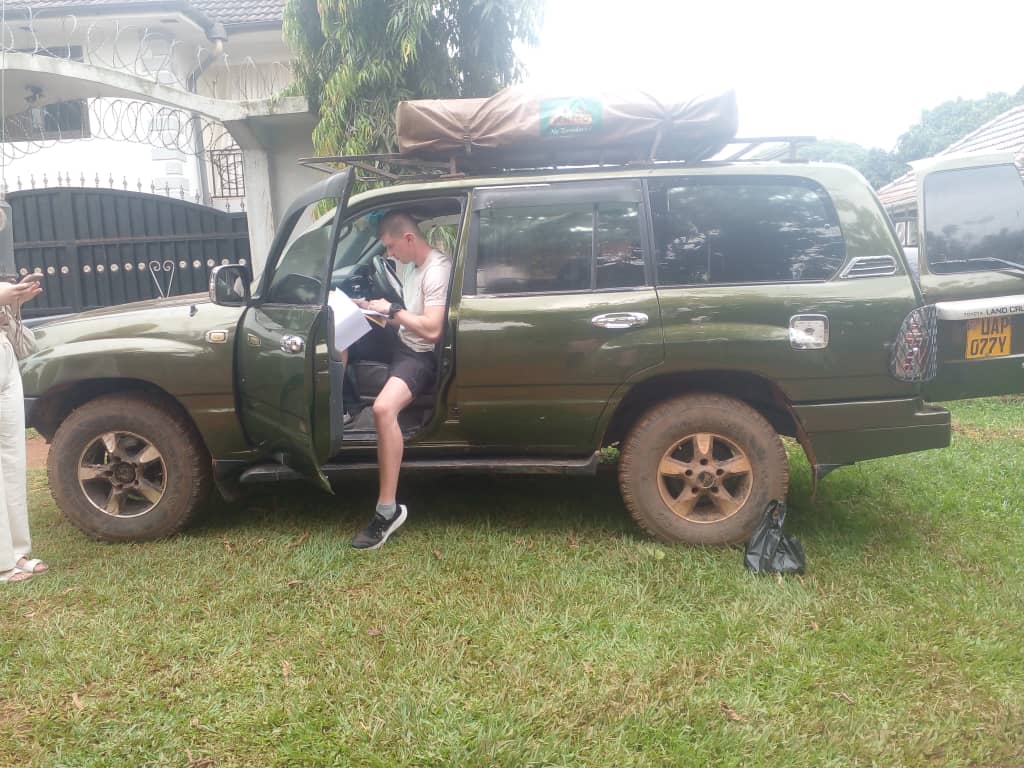 Camping equipment: If camping, confirm whether tents, mattresses, cooking equipment and other essentials are available. however if you choose to hire a car with a roof top tent, these are expected includes in the rental car with a tent
the car with a roof top tent comes with the following camping equipment
1roof top tent
2Sleeping mattresses,
2Clean Sleeping bags,
2Camper Chairs,
1Camper table,
Torch,
Kitchenware,
Storage box,
Cooler box,Cutlery,
Gas cooker / Cylinder,
At 4×4 Tanzania Car Rentals, travellers can enquire about suitable rental options for exploring Tanzania’s national parks. The best vehicle depends on the route, group size, season and whether you plan to drive independently or travel with a professional driver-guide.
7. Best Time to Drive from Arusha to Serengeti
Tanzania can be visited throughout the year, but seasonal conditions influence road travel and wildlife viewing.
June to October: The relatively dry conditions often make this period attractive for safari travel. Wildlife viewing can be rewarding, although popular destinations may be busy.
January to February: These months can be excellent for visiting the southern Serengeti and Ndutu region, where wildebeest calving often occurs. Exact wildlife movements vary with rainfall and grazing conditions.
March to May: The long rains can make some unpaved roads muddy and challenging. Travellers should allow additional time and obtain local advice before setting out.
November to December: The short rains can bring greener landscapes and changing wildlife patterns. Conditions vary, so check forecasts and road reports close to departure.
The Great Migration moves throughout the greater Serengeti ecosystem rather than remaining in one location. Choose your route and accommodation according to the expected seasonal wildlife movements, while remembering that animal sightings cannot be guaranteed.
8. Essential Tips for a Safe Tanzania Self-Drive Safari
 Before beginning your journey, check your vehicle, fuel level, spare tyres and emergency equipment. Download offline maps because mobile coverage may be unreliable in remote areas.
Carry drinking water, sun protection, a first-aid kit and sufficient supplies for long stretches between services. Refuel whenever practical rather than relying on finding a station close to a remote park entrance.
Start long journeys early, drive at a sensible speed and avoid attempting to reach distant destinations immediately before park gates close.
Driving from Arusha to Serengeti and Other Parks, Inside national parks, follow speed limits, stay on authorised tracks and remain inside the vehicle except at designated locations. Never approach, feed or provoke wildlife.
If you are planning to cross an international border during a wider East African road trip, obtain the rental company’s written authorisation and confirm the relevant vehicle documentation, insurance and border requirements in advance.
For park fees, entry conditions and visitor regulations, consult the official Tanzania National Parks Authority and the Ngorongoro Conservation Area Authority before travelling.
Conclusion: Discover Tanzania One Road at a Time
Driving from Arusha to Serengeti is an adventure that combines scenic highlands, rural communities, rugged roads and extraordinary wildlife landscapes. Driving from Arusha to Serengeti and Other Parks, By extending the journey to Tarangire, Lake Manyara and Ngorongoro, travellers can discover several different sides of northern Tanzania in one carefully planned trip.
The key to a successful road safari is choosing the right vehicle, understanding local driving conditions and allowing enough time to enjoy every destination.
Whether you are planning an independent wildlife expedition, a camping holiday or a longer East African adventure, 4×4 Tanzania Car Rentals can help you explore available vehicle options for your journey.
Ready to plan your Tanzania road trip? Contact 4×4 Tanzania Car Rentals to enquire about a suitable 4×4 vehicle and begin preparing for an unforgettable journey from Arusha to the Serengeti and beyond.