
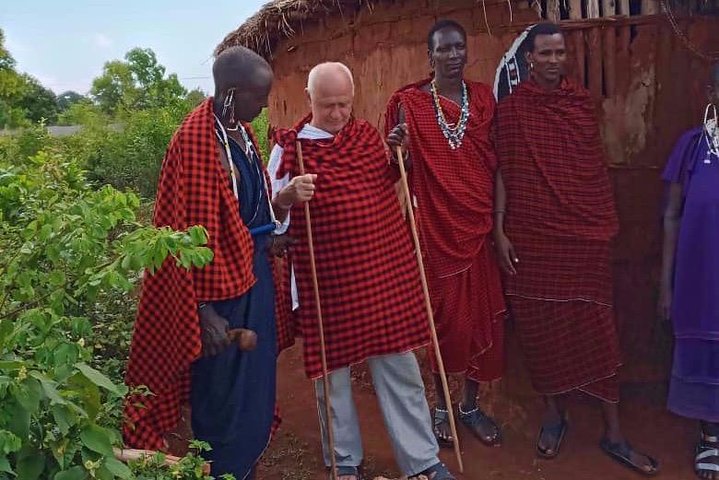
Things You Need to Know Before Visiting the Maasai in Kenya and Tanzania|A Complete Cultural Travel Guide
Things You Need to Know Before Visiting the Maasai in Kenya, When traveling through East Africa, few encounters are as memorable as meeting the Maasai people. Known for their striking red attire, deep-rooted traditions, and close relationship with nature, the Maasai are one of Africa’s most recognizable indigenous communities. A Maasai village visit in Kenya or northern Tanzania offers travelers a unique opportunity to step beyond wildlife safaris and experience authentic local culture.
To ensure your experience is meaningful and respectful, it’s important to understand Maasai customs, values, and the principles of ethical cultural tourism in Kenya and Tanzania. This guide explains everything you need to know before visiting the Maasai.
Who Are the Maasai People?#Things You Need to Know Before Visiting the Maasai in Kenya
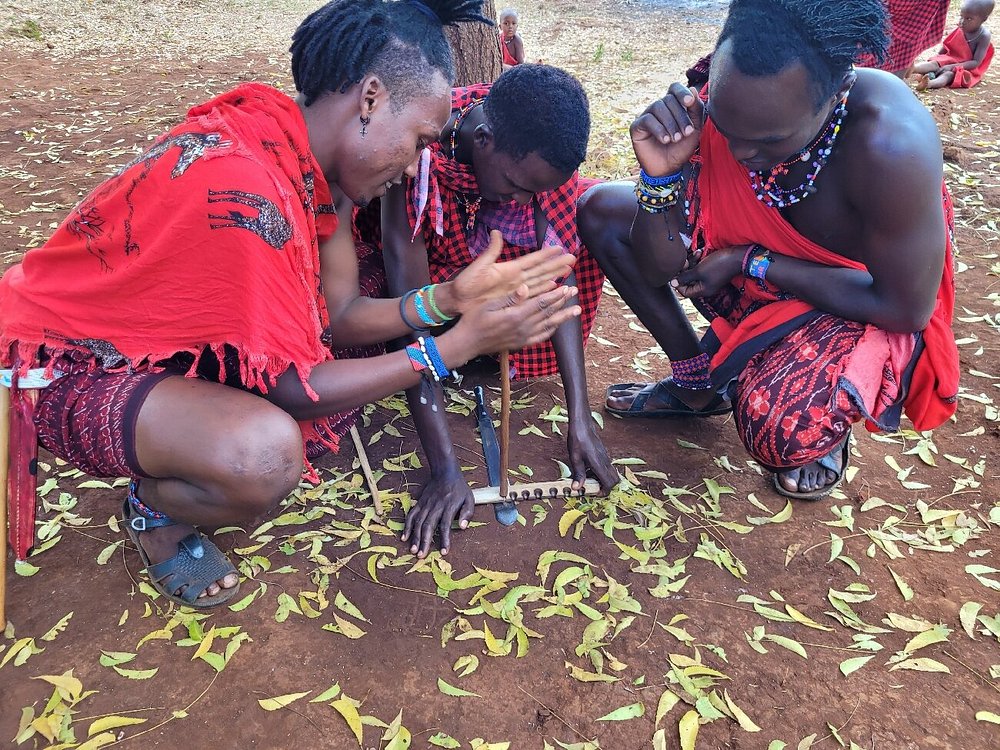 The Maasai people of Kenya and Tanzania are a Nilotic ethnic group traditionally known for their semi-nomadic pastoral lifestyle. Cattle play a central role in their economy, spirituality, and social status. Their society is organized around age sets, rites of passage, and a strong sense of community.
Although modern influences such as education, technology, and tourism have become part of daily life, many Maasai communities continue to practice and protect their cultural heritage. The Maasai primarily speak Maa, with Swahili and English commonly used during Maasai cultural tours.
Why Do Travelers Visit Maasai Villages?#Things You Need to Know Before Visiting the Maasai in Kenya
A Maasai village visit allows travelers to experience daily life beyond safari lodges and game drives. Visitors are often interested in:
-
Learning about Maasai traditions and customs
-
Touring a traditional Maasai homestead (manyatta)
-
Watching cultural performances such as the Adumu jumping dance
-
Understanding cattle herding and traditional housing
-
Purchasing authentic Maasai beadwork directly from artisans
These encounters are most meaningful when approached as cultural exchange rather than entertainment.
Is It Ethical to Visit Maasai Villages in Kenya?#Things You Need to Know Before Visiting the Maasai in Kenya
One of the most important things to know before visiting the Maasai is how to ensure your visit is ethical. Responsible Maasai cultural tourism in Kenya and Tanzania should empower communities rather than exploit them.
Before booking, consider:
-
Is the experience owned or approved by the Maasai community?
-
Are community members fairly compensated?
-
Does the visit respect cultural boundaries?
Ethical Maasai village visits support education, conservation, and local livelihoods while preserving cultural identity.
What Should You Wear When Visiting the Maasai?
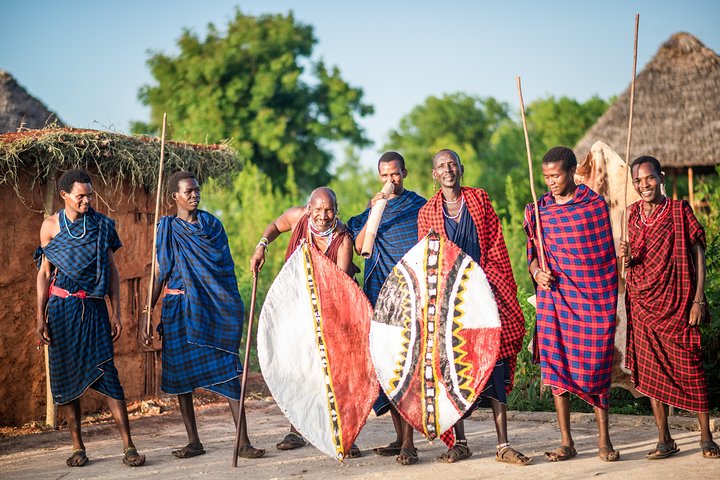 Although Maasai clothing is colorful and expressive, visitors should dress modestly and respectfully.
Recommended attire includes:
-
Long trousers or skirts
-
Shirts covering the shoulders
-
Comfortable, neutral-colored clothing
Respectful dress demonstrates cultural sensitivity and appreciation.
Photography Guidelines When Visiting Maasai Villages
Photography is common during Maasai village visits in Kenya, but permission must always be requested first.
Important tips:
-
Never photograph individuals without consent
-
Some Maasai may ask for a small photography fee
-
Avoid intrusive or disrespectful poses
Respecting personal dignity is more important than capturing images.
What to Expect During a Maasai Cultural Tour
A typical Maasai cultural tour begins with a friendly welcome, sometimes including songs or traditional dances. Guests are guided through the village, shown how homes are built, and introduced to daily routines, and visiting the mara game reserve only pop up roof vehicles are allowed .
You may also learn about:
-
Marriage traditions and rites of passage
-
Spiritual beliefs and leadership roles
-
Traditional beadwork and symbolism
Visitors are encouraged to listen, observe, and participate respectfully.
Buying Maasai Beadwork and Handicrafts
Buying authentic Maasai jewelry and crafts directly from local women is encouraged and supports community development.
Each piece carries meaning related to:
-
Age and social status
-
Marriage and family roles
-
Cultural identity
Paying fair prices helps sustain ethical cultural tourism in Maasai villages.
Language and Communication with the Maasai
The Maasai primarily speak Maa, though Swahili and English are widely spoken in tourist-accessible areas.
Simple greetings are appreciated:
-
“Sopa” – Hello (Maa)
-
“Asante” – Thank you (Swahili)
These small gestures help build meaningful connections.
Respecting Maasai Ceremonies and Cultural Practices
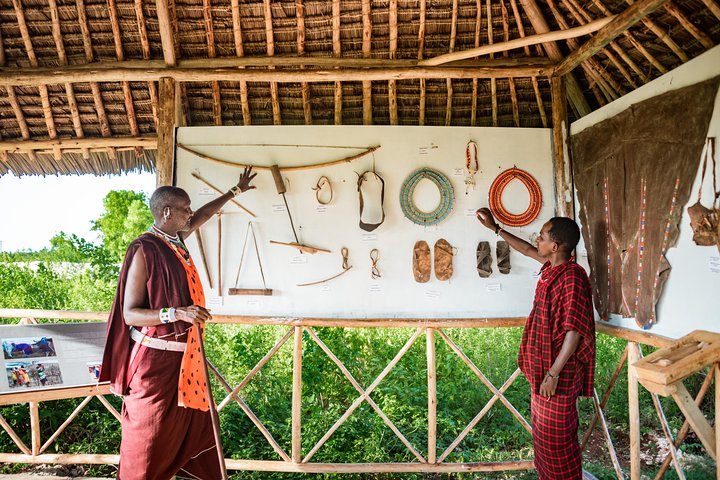 If your visit coincides with a ceremony, treat it with respect. Some rituals are sacred and not intended for tourists.
Always:
-
Ask before observing or photographing
-
Follow instructions from your guide or host
-
Maintain quiet and respectful behavior
Understanding Maasai traditions and customs requires patience and humility.
Discussing Modern Life with the Maasai
Many Maasai are open to discussing contemporary issues such as land rights, education, conservation, and climate change. These conversations offer valuable insight into how Maasai culture continues to evolve.
Respectful questions can deepen your understanding of modern Maasai life beyond stereotypes.
Final Tips Before Visiting the Maasai
-
Listen carefully and avoid making assumptions
-
Stay present and engaged
-
Respect personal space and boundaries
-
Follow your guide’s cultural guidance
These simple actions ensure a positive experience for everyone involved.
Why Visiting the Maasai Is More Than Just Tourism
A Maasai village visit in Kenya or Tanzania is not simply an activity—it’s a human connection rooted in respect and learning. When approached ethically, visiting the Maasai encourages cultural preservation, mutual understanding, and long-term benefits for local communities.
Prepare your heart and mind as much as your travel plans. Visiting the Maasai, when done responsibly, is a powerful reminder of the value of culture, tradition, and shared humanity.